Roofing Contractor Guide: Meeting the Challenges of Coastal Weather
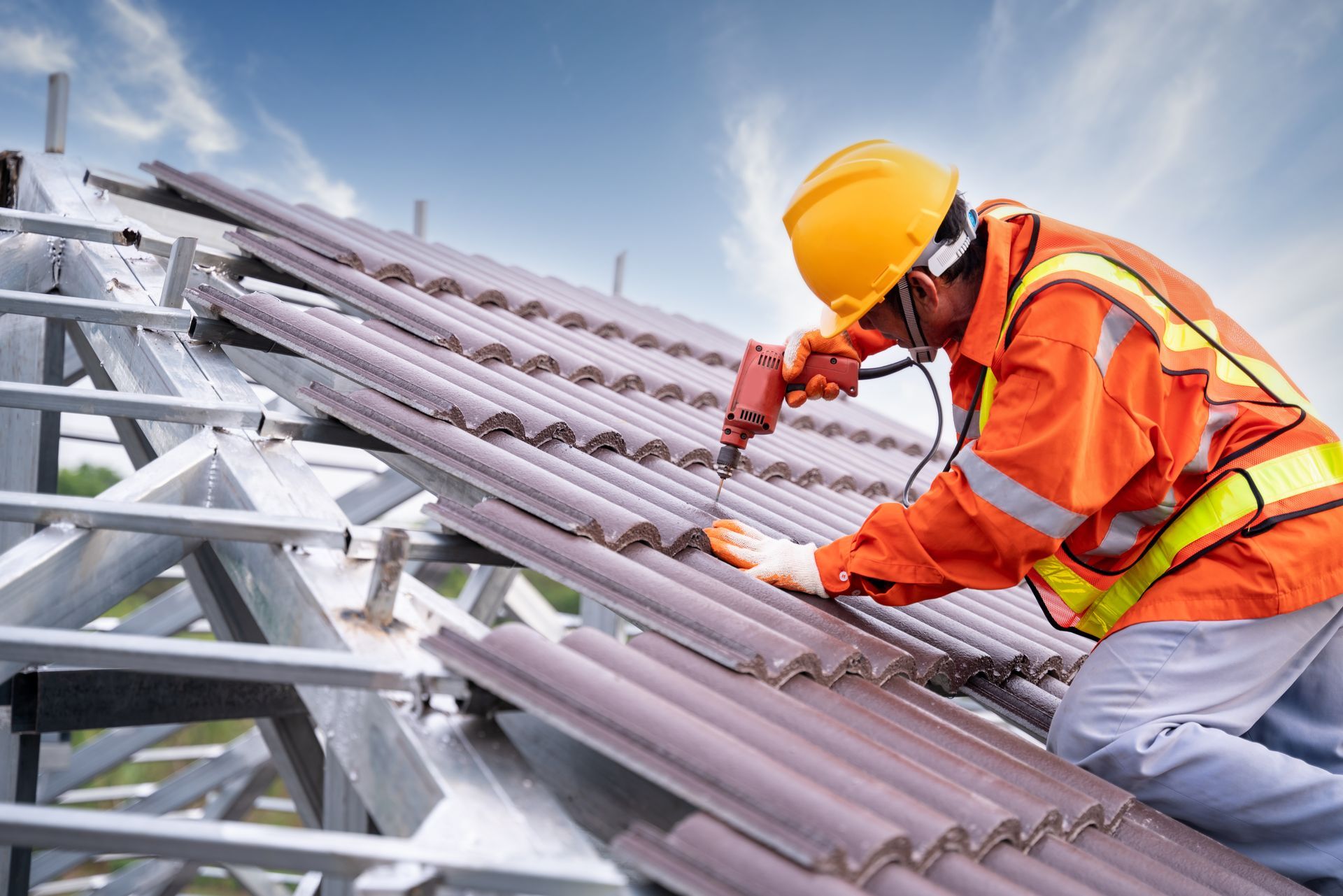
Coastal weather puts roofs under constant stress, and choosing the right roofing contractor in Savannah, GA, can make all the difference in how long your roof lasts. Savannah's humid subtropical climate means property owners face a combination of challenges that homeowners in drier, inland markets rarely encounter. This guide covers what those challenges are, which materials hold up best, and how to verify that a contractor is truly qualified for coastal work.
How Does Coastal Weather Affect Your Roof's Lifespan?
Three environmental forces consistently work against Savannah roofs: salt air, high humidity, and hurricane-season wind loads.
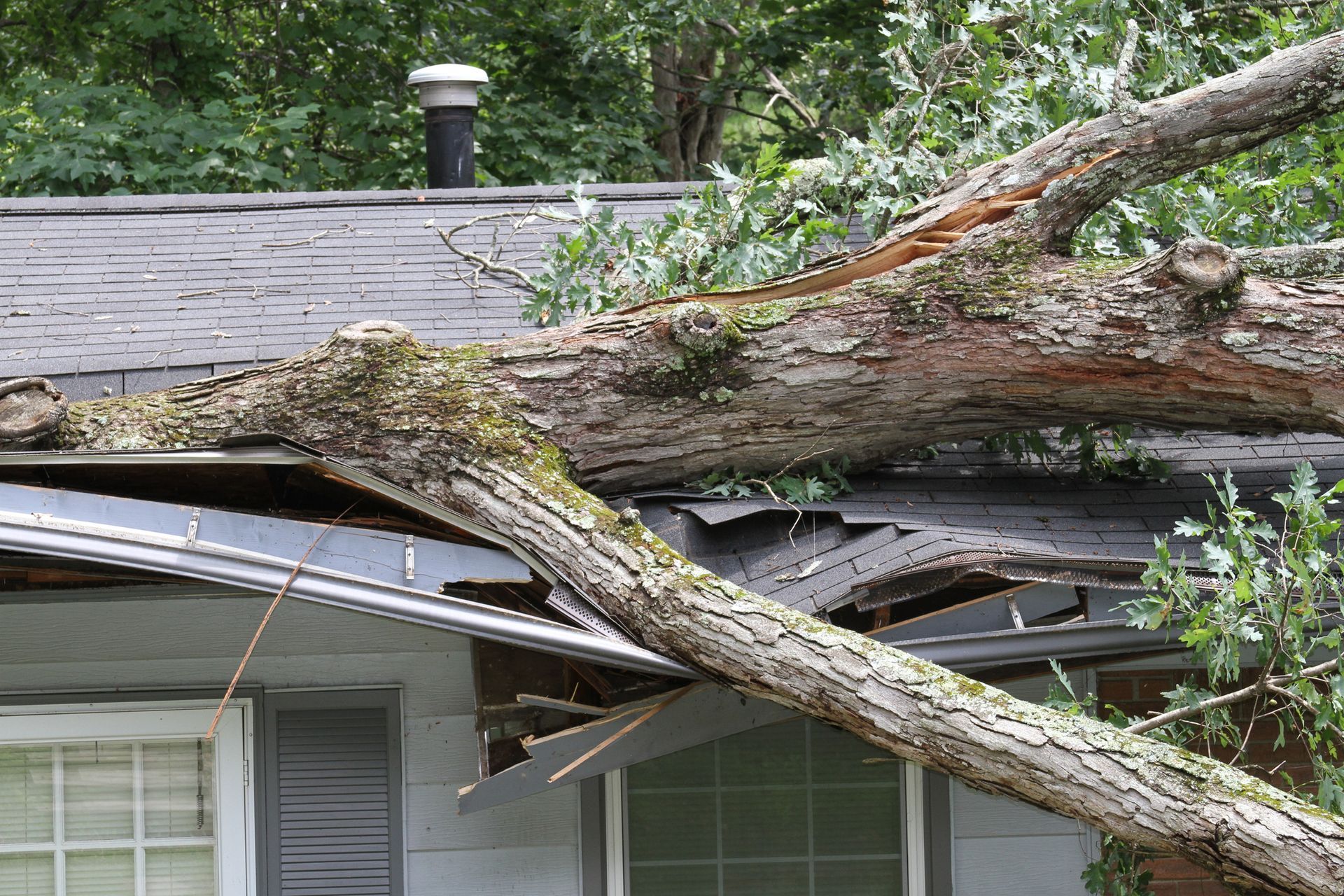
Salt exposure speeds up aging in roofing materials, particularly metal fasteners and flashing. Properties near Tybee Island, Wilmington Island, or the marsh may see roofs wear faster than homes farther inland. Savannah's humidity averages 70 to 80 percent year-round, which can work its way under shingles, degrade adhesives, and encourage mold growth beneath membrane seams. Hurricane season runs from June through November, and wind loads during that window can be severe. Understanding these overlapping threats is the first step in making smarter decisions about your roof.
Which Roofing Materials Hold Up Best in Savannah's Coastal Climate?
The right choice depends on your property type, budget, and proximity to the water, and a qualified roofing contractor can help you decide.
Metal Roofing
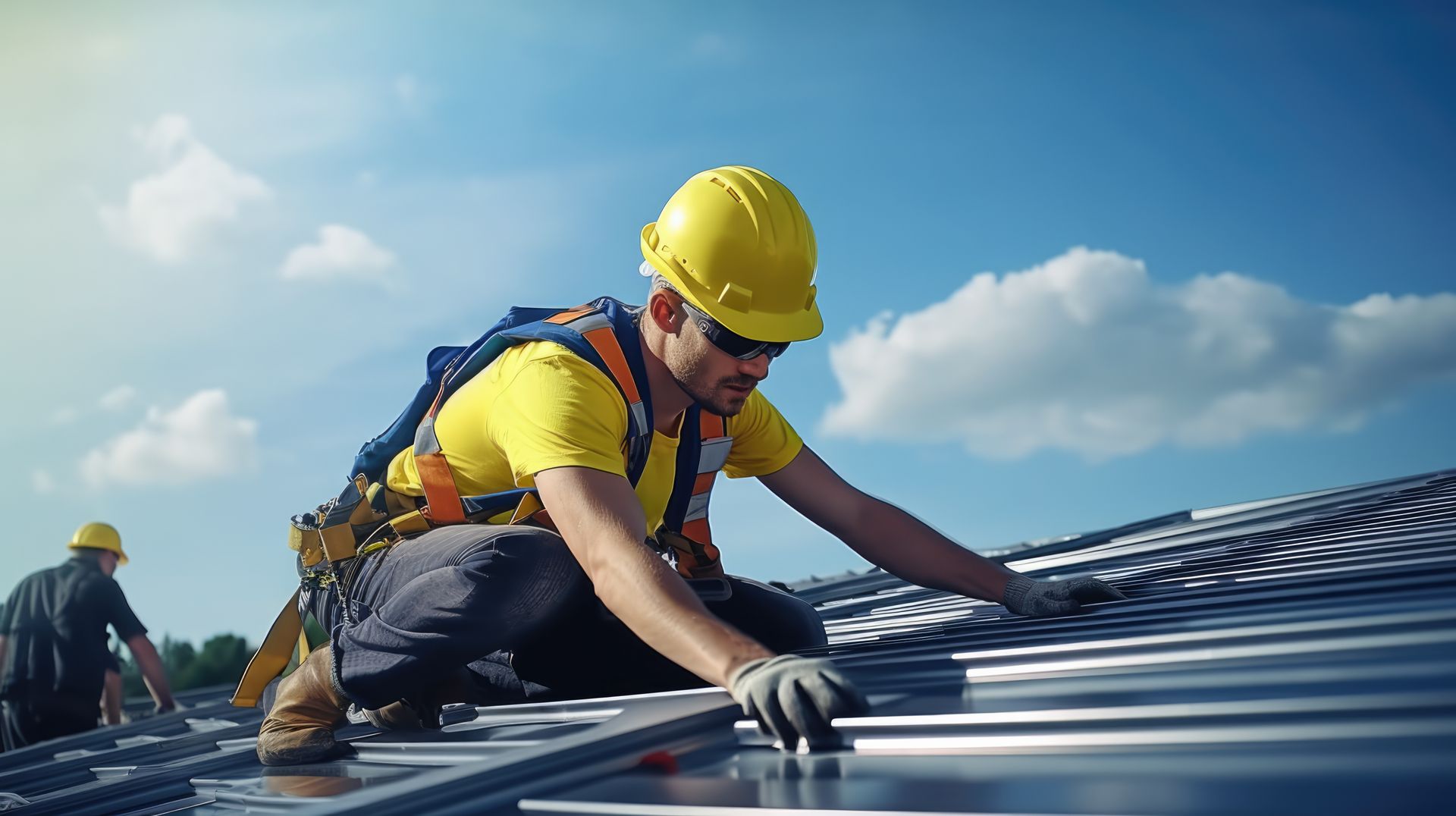
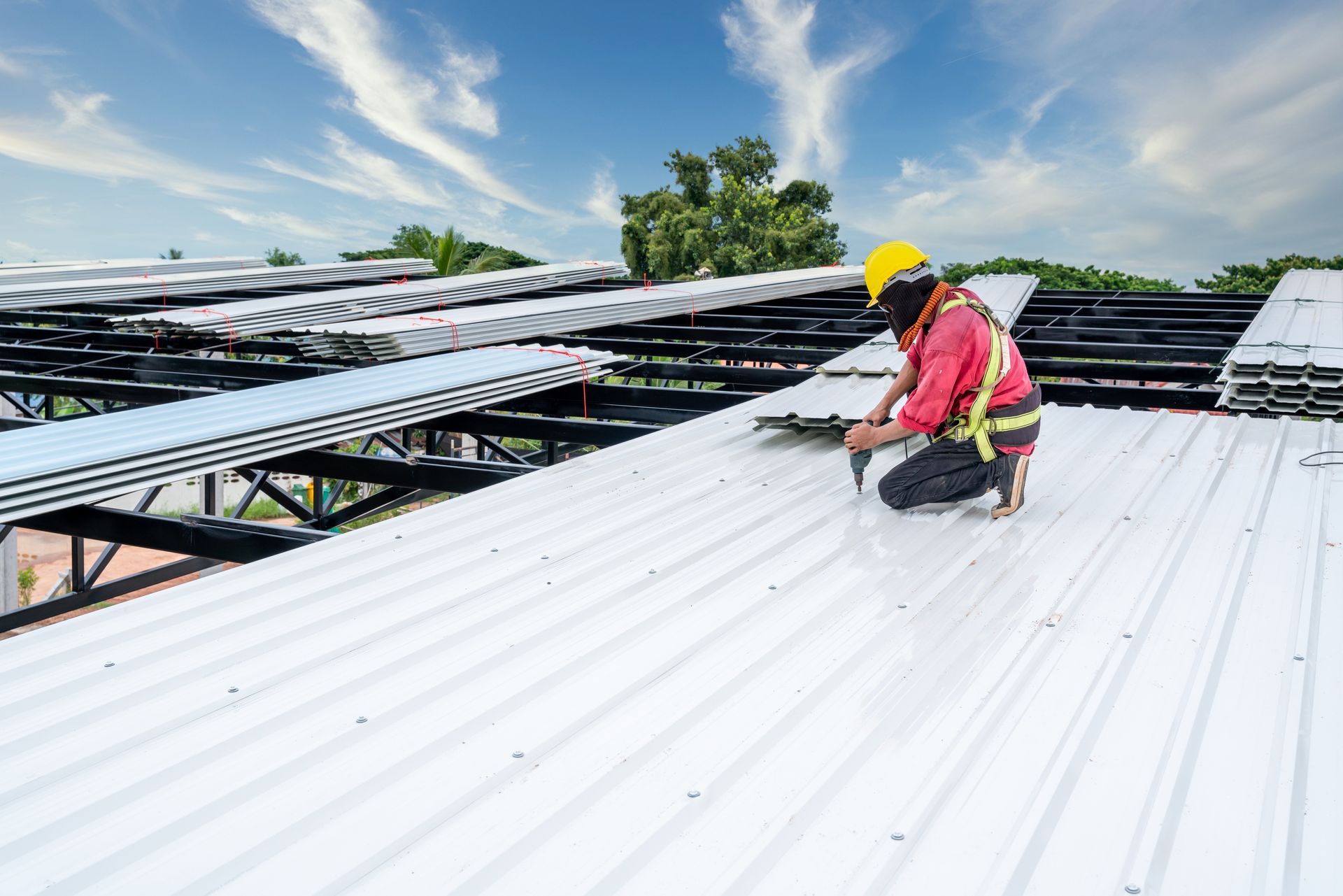
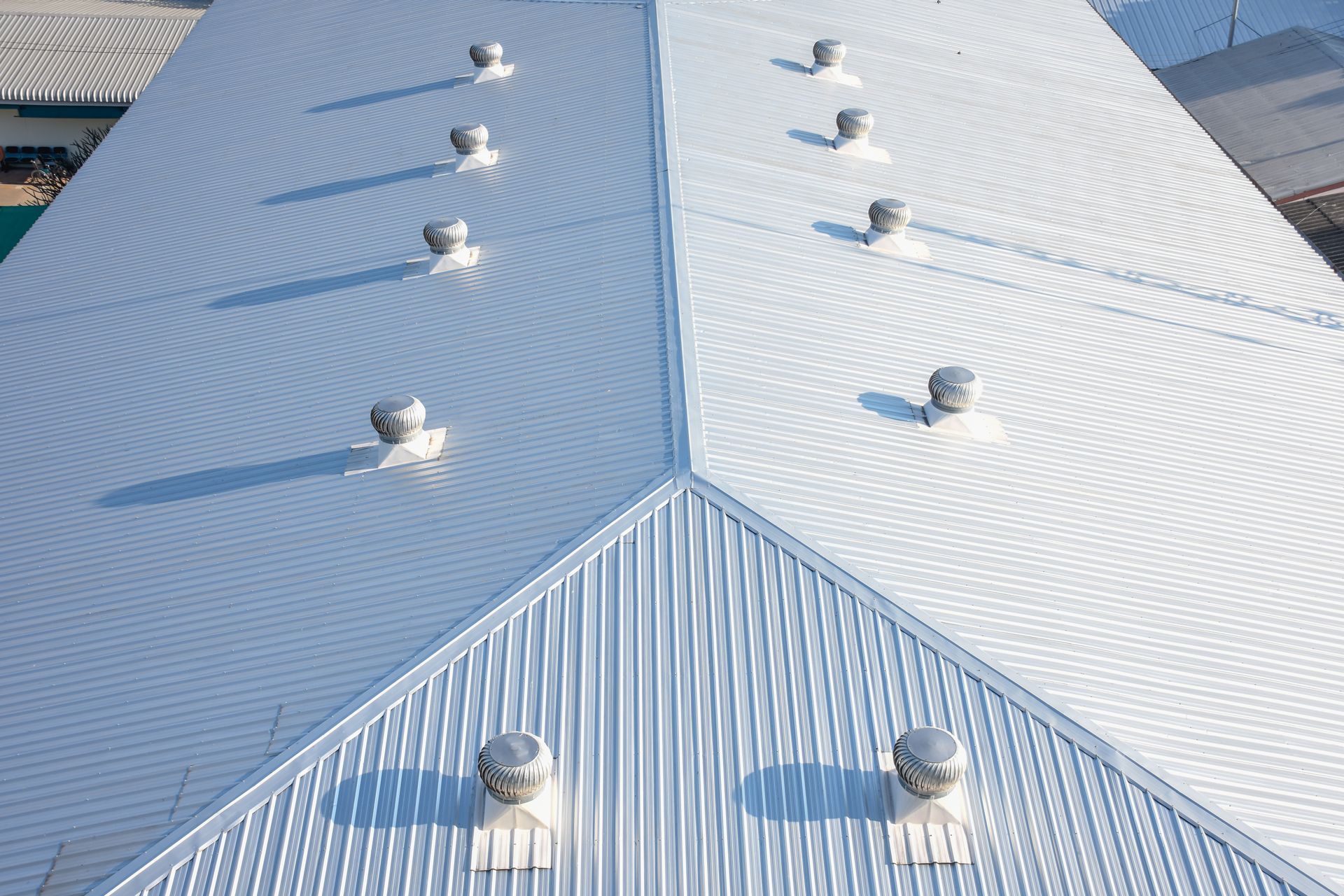
Metal roofing is the gold standard for hurricane resistance in coastal areas. Standing seam systems can withstand winds exceeding 140 mph and shed water effectively during intense summer storms. Metal also resists the moss and algae growth common in Savannah's high-humidity environment. Galvalume and Kynar-finished panels hold their color and corrosion resistance through decades of salt air exposure. Aluminum panels may be preferred near marshes and waterways because aluminum resists corrosion better than standard galvanized steel in salt-air environments.
Asphalt Shingles
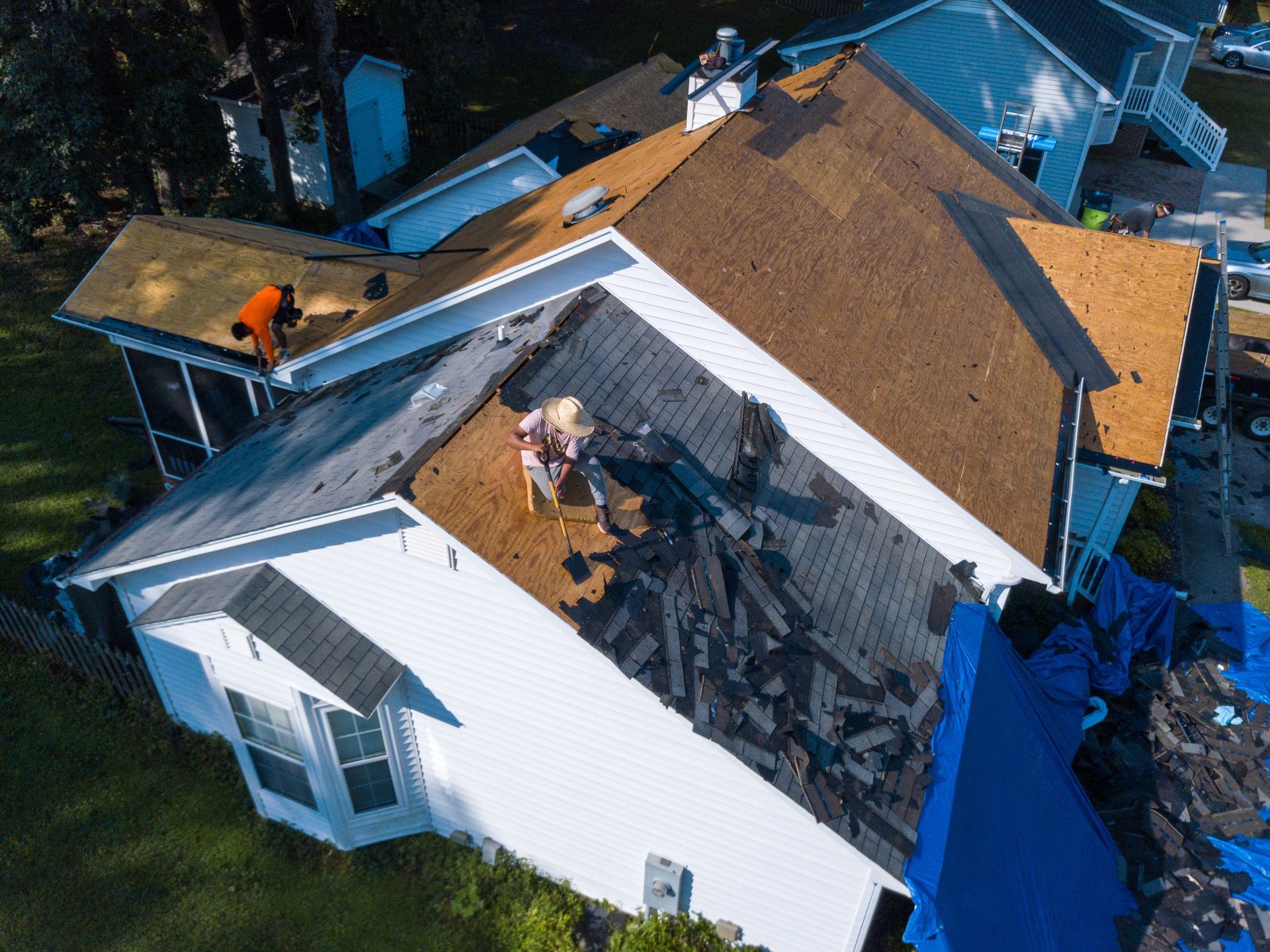
Asphalt shingles remain widely used across Savannah's Southside and Midtown neighborhoods. In Savannah's climate, they typically last 15 to 20 years compared to 20 to 25 years inland. Choosing algae-resistant shingles with a high wind rating helps extend their lifespan here.
TPO and Single-Ply Membranes for Commercial Roofs
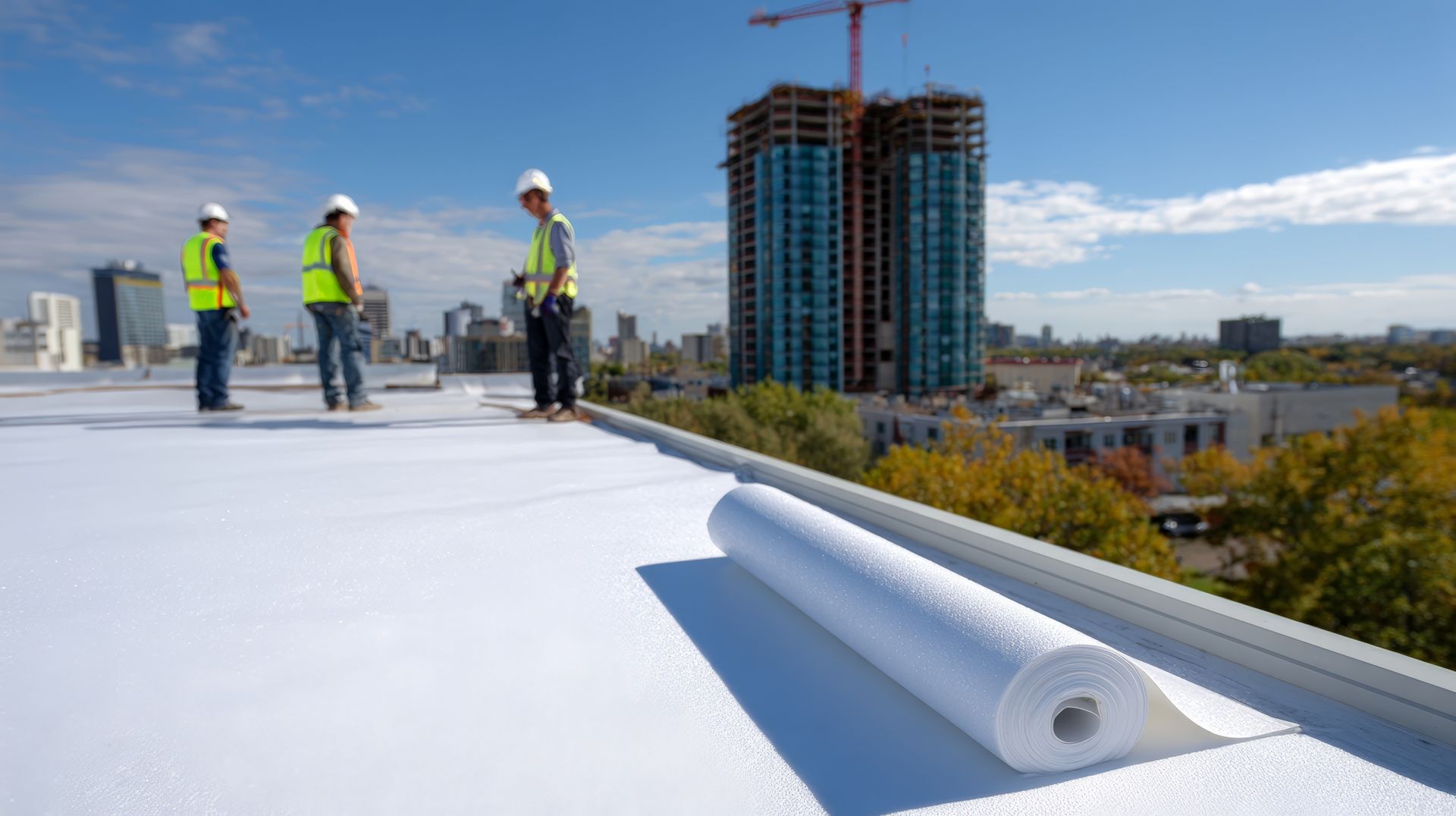
For flat and low-slope commercial roofs, TPO and PVC single-ply membranes perform well in coastal Georgia's heat, humidity, salt air, and hurricane conditions. They offer strong UV and moisture resistance and are widely used by commercial property owners throughout the Coastal Empire.
What Credentials Should You Verify Before Hiring?
Georgia does not issue a dedicated roofing license. Unlike Florida, Georgia folds roofing work into its broader contractor licensing system. Both the Residential Basic Contractor license and Residential Light Commercial Contractor license are required for any job exceeding $2,500. To verify a roofer's license, use the Licensee Search feature in the Licensing section of the Georgia Secretary of State's website.
Beyond the state license, look for manufacturer certifications. A valid Georgia license does not confirm roofing expertise. Credentials from manufacturers like GAF and CertainTeed demonstrate competency and unlock extended warranty options. Also request a Certificate of Insurance confirming active general liability and workers' compensation coverage.
Questions to Ask Before You Sign
Ask whether the contractor is licensed and insured in Georgia, and request documentation for both. Ask whether they carry manufacturer certifications and what warranties those unlock. Ask for a written, itemized estimate rather than a verbal quote. Ask for local references from projects completed in Chatham County or the surrounding Coastal Empire. Ask how they handle post-storm insurance assistance and whether they can help guide you through the claims process.
What Is the Best Roofing Material for Coastal Georgia Homes?
Metal roofing, particularly standing seam systems with Galvalume or Kynar-finished panels, performs well in Savannah's salt-air, high-humidity environment. Algae-resistant architectural asphalt shingles with high wind ratings are also a practical option for many residential properties. The best choice depends on your home's structure, location relative to the water, and long-term goals.
How Often Should I Have My Roof Inspected in Savannah, GA?
Annual inspections are recommended for coastal properties, ideally before hurricane season begins in June. Properties near Tybee Island, Wilmington Island, or the marsh may benefit from more frequent evaluations due to elevated salt air exposure.
Can I Verify a Roofing Contractor's License in Georgia?
Yes. Use the Licensee Search feature within the Licensing section of the Georgia Secretary of State's website. Also ask for a current Certificate of Insurance and verify any manufacturer certifications directly with the manufacturer when possible.
How to Spot a Storm Chaser After a Hurricane
After major storm events, out-of-town contractors often flood coastal markets like Savannah. Watch for these red flags: aggressive sales pressure to sign immediately, no local office or out-of-state plates, inability to provide proof of insurance and licensing, demands for large upfront or full payment before work begins, and no verifiable online presence or local references. A legitimate local contractor will have a verifiable address, documented insurance, and a track record you can check through reviews and references.
Partner With a Local Expert Who Knows the Coast
Savannah's coastal climate does not forgive shortcuts. The right roofing contractor understands how salt air, humidity, and hurricane-season wind loads interact, and selects materials and methods built for this specific environment.
Savannah Roofs, LLC is a licensed, insured roofing contractor serving Savannah, GA, and the Coastal Empire, with over a decade of local experience. Whether you need a residential roof repair or replacement or help recovering from storm damage, their team can assess your roof and recommend the right solution for your property and climate. Contact us to request a free estimate, or call (912) 682-0262 today.